Losing Weight Too Fast Gallstones
Dr Maran - Springfield Wellness Centre | Bariatric and Metabolic Surgery Centre in Chennai Blogs Gallstone Can rapid weight loss cause gall stones?
By Dr Maran January 31, 2017 Gallstone, Gastro, Obesity High risk groups for gallstone, is rapid weight loss good?, Is rapid weight loss related to gallstone formation, rapid weight loss, Rapid weight loss and gallstones

Now #paleo diet has gained momentum like never before. In the paleo diet, fat is an important component and it may be noted that carbohydrate is either not present in the diet or is extremely negligent. Since the basis on which the fat storage works are fundamentally absent or it is put to rest by consuming a high-fat diet, the rapid weight loss is achieved. How are then rapid weight loss and gall stone formation related? Here are the facts.
What Are The Health Risks Associated With Being Too Skinny And Losing Weight Too Quickly?
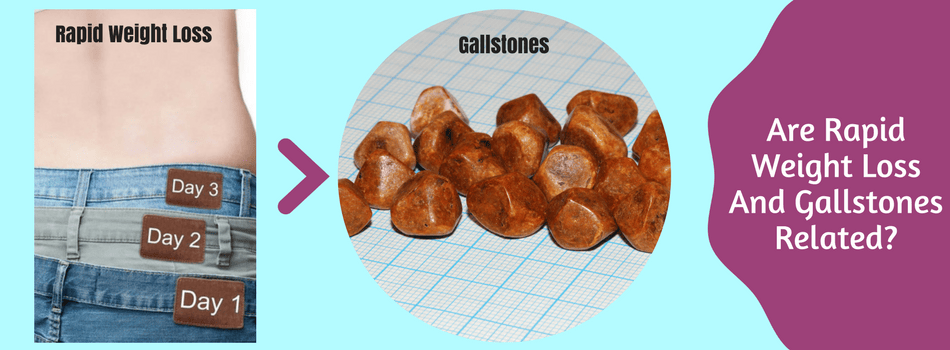
Many researchers have pointed to the fact that rapidly losing your weight to the tune of over 1.5 kg a week can trigger gallstone formation . One possibility is the fact that the already present gallstone could be triggered because of rapid weight loss.
Logically speaking, when the fat content is high in the food, there is no rest for the bile secretion cycle. So the concentrated bile present in the gallbladder is utilized fully and there can be no gallstone. But this is not exactly how it may work for all. As said, our body mechanism is still a mystery and the above of bile utilization logic may not be true in all the cases.
It has been definitely found out that if a person starts paleo or any other weight loss diet, and flip-flops quite often without sustaining it, the risk percentage of developing gallstones for such people is extremely high. It can safely be assumed that people who have lost weight and are maintaining it, have lesser risk than people who do not adhere to any diet plan properly. So it becomes imperative to question yourself if you would be able to maintain the diet under any circumstances. One common complaint in a #paleo diet is, it is a high-cost diet and so many people drop out. Also, the same diet begins to bore and people tend to eat differently.
Weight Loss Tips: 5 Ways Losing Weight Too Fast Can Put Your Health At Stake
One more risk group is women. Many data, points to the fact that obese women are more likely to develop gallstones than men. Hence women who are undergoing weight loss dieting have to watch out for their gallbladder health. That said, it does not give any risk-free assessment for obese men. As a general thumb rule, obese people are more prone to develop gallstones than non-obese healthy individuals.
Since many types of research linking rapid weight loss and gallstone are present, it is prudent to keep a watch on your gallbladder health when you are on any form of diet and exercise regime. Should you develop gallstones due to rapid weight loss it is safe to undergo Gallbladder Removal Surgery in Chennai with Dr Maran .Obesity increases your chances of developing gallstones, but so do weight loss surgery and certain types of diets. Find out how to safely reduce your risks with tips from a registered dietitian nutritionist.
Gallstones are rock-hard deposits that develop in the gallbladder, a small organ in the upper right abdomen just below the liver. Gallstones can be so small they’re barely visible, or as large as a golf ball. They can exist singly or by the hundreds. And they can be asymptomatic or excruciatingly painful.
Weight Loss Side Effects: What Happens When You Lose Weight Rapidly? 6 Health Risks To Know
Gallstones are formed when bile, which aids in the digestion of fat, contains too much cholesterol or bilirubin and not enough bile acids or lecithin (substances that allow water- and oil-based liquids to mix). Cholesterol gallstones are the most prevalent type, but stones made from bilirubin (called “pigment gallstones”) are also common.
Obesity can lead to gallstones because it “alters the balance of cholesterol versus lecithin versus bile acids in the gallbladder, ” says William Silverman, MD, professor of medicine in the division of gastroenterology and hepatology at the University of Iowa Hospitals and Clinics in Iowa City. Excess body weight also makes it more difficult for the gallbladder to empty, says Dr. Silverman, and this allows cholesterol-rich bile to accumulate and harden into stones.
Losing excess weight is a surefire way to reduce your risk of gallstones. Most experts agree that slow, steady weight loss is preferable to crash diets, which is especially important when it comes to gallstones. Rapid weight loss, meaning 3 or more pounds (lbs) per week, can trigger gallstones for the same reasons as obesity — it alters the balance of cholesterol, lecithin, and bile acids, and prevents the gallbladder from emptying adequately.

Here's Why Losing Weight Too Quickly Is A Bad Idea
People who have had bariatric surgery are prime candidates for gallstones because they tend to lose a significant amount of weight in the first three to six months. The type of surgery doesn’t matter, says Silverman, because “it’s the weight loss that precipitates stones rather than the actual surgery.”
Gallstones are such a common occurrence after bariatric surgery that patients are routinely given ursodiol, a medication that helps prevent stone formation by decreasing cholesterol production and dissolving it in bile.
Weight loss of ½ to 2 lbs per week is a good goal for most people. Modest weight loss not only helps prevent gallstones, it also encourages new habits that can help put an end to losing and regaining weight repeatedly — and weight cycling is another risk factor for gallstones.
Short And Long Term Effects Of Losing Weight Too Fast
When it comes to gallstone prevention, the type of food you eat doesn’t really matter, says Silverman; the important thing is to avoid eating too much. That being said, extremely low-fat diets are not a great idea because they inhibit gallbladder contractions, making it harder for the gallbladder to empty and allowing bile to accumulate and calcify instead of being released into the small intestine.
Weight loss is best achieved with increased activity and a sustainable diet that doesn’t leave you feeling hungry, fatigued, or deprived. A customized eating plan combined with these fad-resistant strategies will help you achieve your goals:
Finally, don’t expect to be perfect. Stuff happens, and you can’t always control what, where, and how you eat. The occasional extra piece of pizza or a couch potato day will not ruin your weight loss efforts or result in a spontaneous gallstone. Just try to learn from the experience so you can prevent it from happening again, and then get right back to your healthy eating and exercise plan.
Gall Stones (cholelithiasis)
The gallbladder stores bile, which helps the body break down and digest fats that you eat. Disorders like gallstones can cause problems with how the gallbladder...
Like any surgery, gallbladder removal comes with a risk of certain complications. These include bile leakage, blood clots, and potential digestive changes...
Gallstones occur when one or more of the substances that make up the bile becomes too concentrated and forms a hard stone. Other gallbladder problems ...
Gallstone And Rapid Weight Loss
There is no sure way to prevent gallstones, but there are things you can do to reduce your risk. Get tips on gallstone prevention.

The extra estrogen puts pregnant women are at higher risk of developing gallstones. Read more to know how to prevent gallstones during pregnancy.As for everything in life, weight loss too has its pros and cons. While the health benefits of weight loss are numerous and powerful, there is an increased risk of gallstone formation, particularly if the weight loss is fast.
Gallstones are very common, being present in 17% of women and 8% of men (most don’t know that they have them!). Bile, which is the digestive juice made by the liver and stored in the gallbladder, is composed of bile acids, which are made by the liver from cholesterol. Bile also contains cholesterol, phospholipids, proteins and electrolytes. The bile is usually able to carry cholesterol produced by the liver out into the intestine in a liquid form, but if the cholesterol concentration gets too high, or the contraction of the gallbladder gets too sluggish, cholesterol crystals develop and gallstones form.
Common Symptoms Of Losing Weight Too Fast
Obesity is a risk factor for gallstones for a number of reasons. There is a larger pool of cholesterol moving around in the body, and the liver’s ability to convert cholesterol into bile acids is impaired (thus, more cholesterol relative to bile acids in the bile). Gallbladder contractions are also more sluggish in obesity, which may be related to insulin resistance and resistance to a satiety (sense of fullness) hormone called leptin. Diabetes, prediabetes, use of the birth control pill, and hormone replacement therapy are other risk factors for gallstone disease. Genetics also play a part in gallstone risk, which is an area that we are just starting to learn about.
Within the first 4 months of moderate weight loss on a diet, the risk of gallstones is as high as 25% (though most of these will be without symptoms). With faster and larger weight loss, the risk is higher: as many as 71% of patients will have gallstone formation by 1 year after bariatric (obesity) surgery. About 40% of people developing gallstones after bariatric surgery will have symptoms; for those who don’t have symptoms,
Posting Komentar untuk "Losing Weight Too Fast Gallstones"