How A Kid Lose Weight
If your child isn’t still losing weight despite trying everything, it is good to know some useful tips on how to help kids lose weight. Helping children lose weight is important as being overweight or obese can expose a child to several long-term health problems. Besides, it can pose a hindrance to their proper growth and development.
As per the data from WHO, approximately 38.2 million children under five years were overweight or obese in 2019, and more than 340 million children and teens between 5 and 19 years were overweight or obese in 2016 (1). It reflects the need for parents to take an active role in helping their children lose weight.
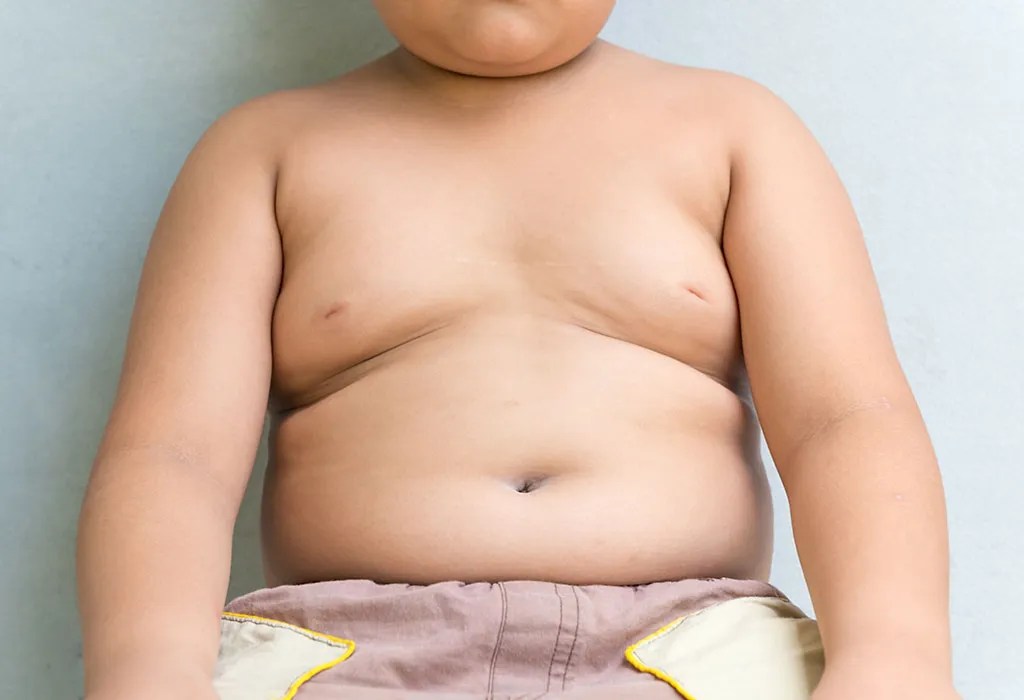
Weight loss isn’t only about healthy eating and including veggies and fruits in your diet or doing exercise. Parents need to understand that weight loss is a continuous process. Identifying your shortcomings and making relevant changes continue until you achieve results.
How To Help Your Child Lose Weight: Advice From A Former Fat Kid
Weight loss plans are effective only when you set your goals right. For instance, before you chart out the number of pounds your child needs to lose, aim to control their weight gain. Take small steps and remember that every step counts.
Quick weight loss is luring, but it isn’t healthy. Several parents wish to do everything possible at once to help their children lose weight instantly. You may, too, lay down several new rules to eat, sleep, and exercise and even put several restrictions on your child. But remember, it can backfire.
Making many changes to a child’s diet or eating habits and overall living pattern at once can make their weight loss journey overwhelming and exhausting. In the long run, this will demotivate your children.
How Can My Child Lose Weight?
Some children and teens skip meals, indulge in undereating, or follow restrictive eating patterns to lose weight. These might cause weight loss, but they can also slow down the metabolism and pose the risk of nutritional deficiencies in the long run. Besides, once the child or teen begins eating normally, their weight rebounds, making all the previous efforts futile.
A weight-loss diet must take the age, health, and specific needs of an individual into account. Several children and teens often follow random diet plans that they see on the Internet. Since these diets may not sync with one’s dietary needs, they can do more harm than good, while also not providing the required nutrition.
Children aged six to 17 require 60 minutes of moderate-to-vigorous-intensity physical activity every day (2). However, according to a survey conducted by the CDC, it was found that less than one-quarter (24%) of children in this age group actually participate in 60 minutes of physical activity each day. If they spend hours on their gadgets and spend little time outdoors, no matter what the weight loss program, it will not yield results. Indulging in regular physical activity and eating healthy help in effective weight loss.
Weight Loss Plan For Kids
Children need positive encouragement to keep their weight loss journey going. There would be instances when the child may lose interest or feel demotivated. You need to back your child. Motivate and educate them about the importance of persevering and reward them accordingly. Your family could also follow a common diet and exercise routine to set the right example for your child.
Besides these, there can be some more mistakes that you may be making while executing a weight loss plan for your child. Identifying them and making relevant changes can help attain desired results.
Maintaining a balance between energy intake (food) and energy spent (physical activity) is essential for effective weight loss. Try the following healthy habits to help your child lose weight.
How To Lose Weight For Kids: Weight Loss In Children
Consult your child’s pediatrician to decide the overall weight loss your child needs and the timeline at which it can be achieved. Factor in both short-term goals and long-term goals. For instance, the short-term goal could be to cease weight gain within 15 days or a month. This goal should then take you to your child’s long-term goal of losing about 10kg in four to five months.
You may wish to try many things at once, but this may overwhelm your child. Pick one area a week and work around achieving it. For instance, for a week, you can guide and help your child replace all sweetened drinks or beverages, such as juice or soda, with low-fat dairy items, including buttermilk. Gradual progression can only be achieved with consistent discipline.

Feed your children well-balanced meals that include various foods. Exercise portion control such that all the necessary nutrients from foods can be achieved, without the incidence of gaining weight. Children and teens need two to four cup equivalent of veggies, two to two and a half cup equivalent of fruits, six to ten cup equivalent of grains, and three cup equivalent of dairy foods per week, depending on their total calorie intake (3).
Tips To Lose Weight During The Coronavirus Pandemic
Breakfast is the first meal of the day that gives your child energy and nutrients to carry out their body functions until they eat their next meal in the afternoon. Yet, data suggest that almost eight to 12 percent of all school-aged children skip breakfast (4). Skipping meals not only leads to nutritional inadequacy, but also slows down one’s metabolism (5).
Keep junk and unhealthy food away from your child’s easy access and replace them with healthier options. Doing so eliminates the chances of eating unhealthy foods when the child is hungry, and it can gradually condition them to make the right dietary choices.
It is important to involve your child in active play. Every child is unique, and so is their liking for an activity. Some children may like to run, while others may like to swim or play football. Understand your child’s interests and plan their weight loss activities.
Sumo Kids' Who Underwent Surgery To Lose Weight Are Piling On The Pounds
Unless your pediatrician or the dietician asks you to, do not let your child follow a fad or calorie-restricted diet. Such diets are nutritionally imbalanced, posing a risk of nutrient insufficiency. Besides, they can slow down a child’s metabolism, making weight loss more difficult. Weight loss is necessary but not at the expense of nutritional inadequacy.
Replace high-fat, high-sugar, and salty snacks with healthier alternatives, such as a cup of blueberries or grapes, a cup of veggies with hummus, or one-fourth cup of tuna wrapped in lettuce (8).

Never use weight loss supplements or pills for children, even if their weight loss is very slow or they aren’t losing weight. The safety and efficacy of weight loss pills and supplements for children are unknown. Besides, they can have long-term adverse effects that can hamper a child’s overall development.
Study In China Helps Kids With Obesity Gene Lose Weight, Health News
Keep a diary and record the overall efforts they are putting in to lose weight. Share this record with their pediatrician and discuss the areas of improvement. Doing so can help you identify the shortcomings and rectify them promptly.
Understand your child’s weight loss woes and offer reassurance that you have their back. Every child faces different weight loss issues. Listen to your child and help them attain their goal.
As a family, follow a healthy diet and an active lifestyle, as children learn from their elders. So, practice what you preach, and follow a diet that you would want your child to follow. It applies to your actions at home and outside. For instance, you could order healthy food while eating out in a restaurant.
Ways To Lose Weight And Exercise More While Still Being A Kid
Seek the help of a registered dietician or a weight loss coach. They will plan a customized weight loss program for your child as per their age and overall health. Besides, they will offer counseling and motivation that a child would need to understand their condition and act committedly. It is important for you as a parent to give your child ample family support in their weight loss journey, which will in turn help them boost their self-esteem and confidence and learn the art of perseverance.
If your child isn’t losing weight despite all your efforts, consult a pediatrician to rule out an underlying health concern. Hypothyroidism and Cushing’s syndrome are chronic diseases where losing weight is difficult due to slow metabolism.

Gradual weight loss is the safest way to lose weight and maintain it. Generally, losing ½ to 2 pounds (0.5–0.9 kg) is recommended for adults (6). However, this number may vary for children according to age, lifestyle, calorie intake, and overall health. It is best to take your pediatrician’s advice and understand age-appropriate weight loss goals for your child.
Talking About Weight And Skinny Kids
Weight loss should be gradual. Healthy weight loss can be achieved by balancing calorie intake and energy expenditure. According to the Centers for Disease Control and Prevention (CDC), children and teens between six and 17 years should indulge in 60 minutes of moderate-to-vigorous intensity physical activity each day (2). The exercise plan should include aerobic, muscle-strengthening, and bone-strengthening exercises to lose weight and maintain overall health.
If your child is losing too much weight quickly or experiencing unintentional weight loss, speak to a doctor about it. You could also consult a health expert if your child is skipping meals, complaining of pain when eating, or being irritable when asked to eat meals normally (7).
Being in the ideal BMI range is considered healthy for all age
Posting Komentar untuk "How A Kid Lose Weight"