How To Lose Weight Fast While Intermittent Fasting
If you’ve been working out in a gym or training with a personal trainer in Vancouver lately you’ve most likely heard of intermittent fasting or maybe you’ve heard just whispers of it from fellow fitness enthusiast sea-wall runners as they wiz past! So now you’re dying to know what intermittent fasting is and why people are turning to it to accelerate their weight loss goals.
Intermittent fasting has only recently entered the health and fitness consumer mainstream, however fasting has been in cultural practices around the globe for thousands of years. Many people believe that cycles of fasting is a more natural state for humans than the “old fashioned” 3-5 big meals a day. Controlled fasting will reduce youroverall calorie intake as well asincrease fat burning hormones tofacilitate weight loss.

The idea of intermittent fasting came from the studies of Dr. Valter Longo, a highly acclaimed professor at the University of Southern California and the author of The Longevity Diet.
Combine Intermittent Fasting With Any Slimfast Plan
While intermittent fasting is still under research, hundreds of clinical studies have shown it to be beneficial for weight loss. Due to the powerful effects it can have on your brain and body we do not expect it becoming just another fad diet either! Not only will it help shed stubborn fat but it can even slow the body’s aging process, reduce the risk of certain diseases and benefit your health and vitality in a myriad of ways..
If you’re trying to lose weight we always recommend reducing calories, consistent exercise and practicing healthy lifestyle habits like getting enough sleep and staying hydrated first but if you would like to add in another step, some experts say IF could be a good “jump start” for the metabolism.
So what is intermittent fasting? What are the best methods and how can you use intermittent fasting to fast track your weight loss?
The Benefits Of Intermittent Fasting The Right Way
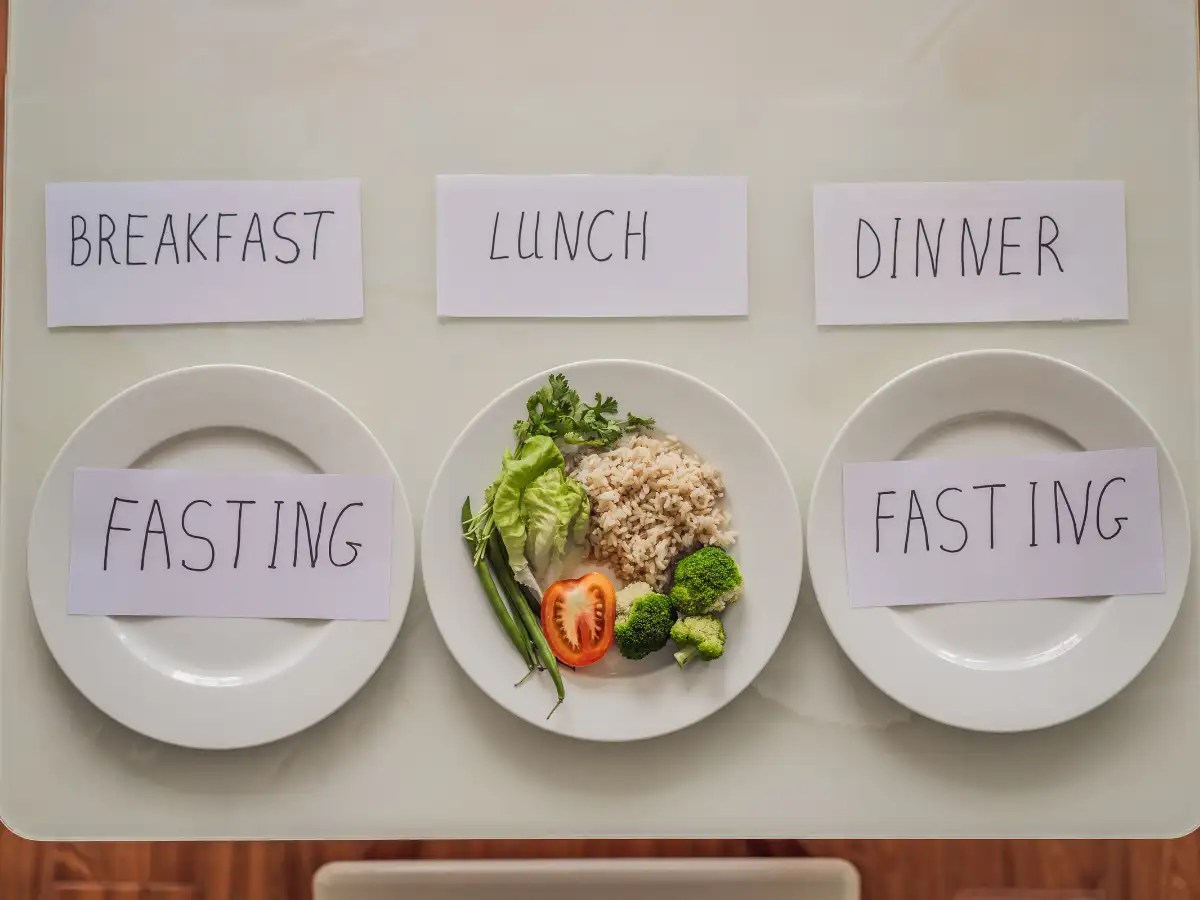
Intermittent Fasting, or a better term would be Time Restricted Eating is not so much a diet but rather an eating cycle. It does not focus on what specific foods to eat or not to eat but rather WHEN you should eat. IF cycles between phases of eating and fasting.
Weight loss is the most common reason people practice intermittent fasting.By making you eat less meals throughout the day, IF automatically reduces your caloric intake. Being in a calorie deficit will lead to weight loss. But some of the IF magic happens on a cellular and molecular level. When you’re in a fasting state, the body will adjust hormone levels to make fat cells a more readily available source of fuel. Lessening your calories and burning fat for fuel…… we think that sounds like a recipe for long term weight loss!
The simplest way to start is to follow Dr. Longo’s idea of Time Restricted Eating. This means eat for 12 hours then refrain for 12 hours. For example you can eat from 8 am and stop at 8 pm. Then not eat for the next 12 hours.
Intermittent Fasting Schedule
There are several different other ways we’ve seen come into practice. Since this can be a radically different way of eating than you’re used to we suggest not going to the extreme. Start off slowly, monitor how you feel and be patient.
“By reducing your calorie intake, all of these methods should cause weight loss as long as you don’t compensate by eating much more during the eating periods.” says Chris Gunner BSc in his article on intermittent fasting.
Make sure to be mindful of what you eat during your eating phases, if you indulge excessively you might not see any results from IF. During the fasting phase make sure you drink plenty of water or herbal tea and keep yourself busy to fend off hunger pangs. If you get dizzy during a fast, Dr. Jason Fung a Toronto based kidney specialist explains: “…Most likely, you’re becoming dehydrated. Preventing this requires both salt and water. Be sure to drink plenty of fluids. However, the low-salt intake on fasting days may cause some dizziness. Extra sea salt in broth or mineral water often helps alleviate the dizziness.”(2)

Bharti Singh Lost 16 Kg With Intermittent Fasting. Know Its Pros And Cons From Expert
Intermittent fasting looks like a great tool you can use to help rev metabolism, reduce belly fat, waist circumference and improve your overall health.If you’re new to this or have health concerns such as low blood pressure perhaps consult your doctor before trying IF. If you’re keen to try intermittent fasting, a personal trainer can help keep you on track and motivate you stick to an IF method!Intermittent fasting has soared in popularity, thanks in large part to its associated weight loss outcomes. But, how can you follow this plan safely and successfully?
Refraining from eating for long periods, more commonly known as fasting, is a time-honored practice. Religious fasts such as Ramadan and Yom Kippur have been observed for centuries. More recently, some people have been turning to an intermittent fasting plan to manage their weight, blood sugar and other aspects of their health. But what is intermittent fasting? And is it safe for everyone?
We spoke with Abbott expert Jennifer Williams, a research scientist specializing in hydration and pediatric nutrition, about the benefits of this current, trendy diet and what you should consider before trying it
Intermittent Fasting Before And After
This approach has many variations and definitions, Williams says about intermittent fasting, but it essentially requires you to eat only within a certain window of time and fast during the remainder of it.
Because of the variety of fasting options available, this eating plan can work for a wide range of lifestyles. However, it's important to choose a method you can truly commit to. Otherwise, you may not see results. Some of the approaches you can take when intermittent fasting include:

In one study, adults with obesity who followed a high-protein intermittent fasting diet saw results similar to those who followed a heart healthy diet in both reductions of BMI and blood lipids — or fat found in the blood. A review of current studies found when compared to calorie restriction, intermittent fasting allows individuals to achieve similar weight loss without losing as much muscle mass.
Can You Eat Pizza While Intermittent Fasting?– Pizza Bien
But intermittent fasting's benefits go beyond quick weight loss. According to Williams, this diet can help you establish behaviors that allow you to lose weight and keep it off over the long term.
When it comes to behavioral factors, intermittent fasting can lead to weight loss for those individuals who tend to mindlessly snack when they're bored, stressed or unhappy, she explains. An intermittent fasting plan can help establish anti-grazing rules that effectively limit overeating.
Hydration is key to so many activities in the body, including body temperature regulation, blood volume and pH equilibration, brain function, and lubrication of skin and joints, explains Williams. Water is also necessary for digestion and delivering key nutrients to cells in the body.
What Can You Eat Or Drink While Intermittent Fasting?
When intermittent fasting, It's important to hydrate, preferably with water, first thing in the morning upon waking to replenish what the body uses while at rest, Williams says. She also recommends consuming water and other noncaloric beverages throughout the day.
But the foods we eat also play a large role in how hydrated we are. That's why it's crucial to choose foods for hydration, Williams emphasizes. About 20% of our daily water intake is through foods like fruits, vegetables, soups and rice.
However, it's important to not go overboard with liquids. When people try intermittent fasting for the first time, Williams says people may drink too much to stave off hunger — especially in the early stages of the plan. However, overhydration can come with risks such as reduced sodium levels in the blood and nausea.
Intermittent 16 Hr Fast Dr. Lipman
Unless intermittent fasting is causing a decrease in fluid intake during the fasting period, there should not be an issue with hydration while intermittent fasting, says Williams. Still, if you notice the tell-tale signs of dehydration — i.e., dark-colored urine or barely any urine at all — incorporating an electrolyte solution such as Pedialyte® may help you boost your hydration levels to where they need to be.
Pedialyte is an advanced rehydration solution designed to help prevent mild to moderate dehydration brought on by illness, heat, exercise and travel. It can also help you replenish lost fluids and electrolytes, as well as provide fluid to compensate for times when you just don't get enough.
During intermittent fasting for a religious occasion, Pedialyte could help you rehydrate after a fast because it has been shown to hydrate better than water [Sollanek et al, 2018], says Williams. She adds that rehydration solutions can also be used to pre-hydrate before a fasting occasion, which can help ensure your body stays hydrated throughout the fast.

Intermittent Fasting Tips: 16:8 Diet For Weight Loss
Although there are plenty of benefits that come with intermittent fasting, its lack of restrictions can be misinterpreted by some as a call to eat anything and everything. However, you should still follow a well-balanced diet while practicing intermittent fasting in order to meet all your nutrient needs. This can also help curb any binging on higher-fat and calorie-dense foods.
Additionally, Williams doesn’t recommend intermittent fasting for athletes in heavy training, pregnant and nursing women, or people managing diabetes
Posting Komentar untuk "How To Lose Weight Fast While Intermittent Fasting"