Lose Weight While Pregnant Plan
As a general guide, pregnant mothers need to eat a healthy diet, high in nutrients and low in sugar, salt and saturated fats.
It’s normal for a pregnant mother to gain weight — however, gaining too much or too little weight increases the risk of complications for you and your baby.

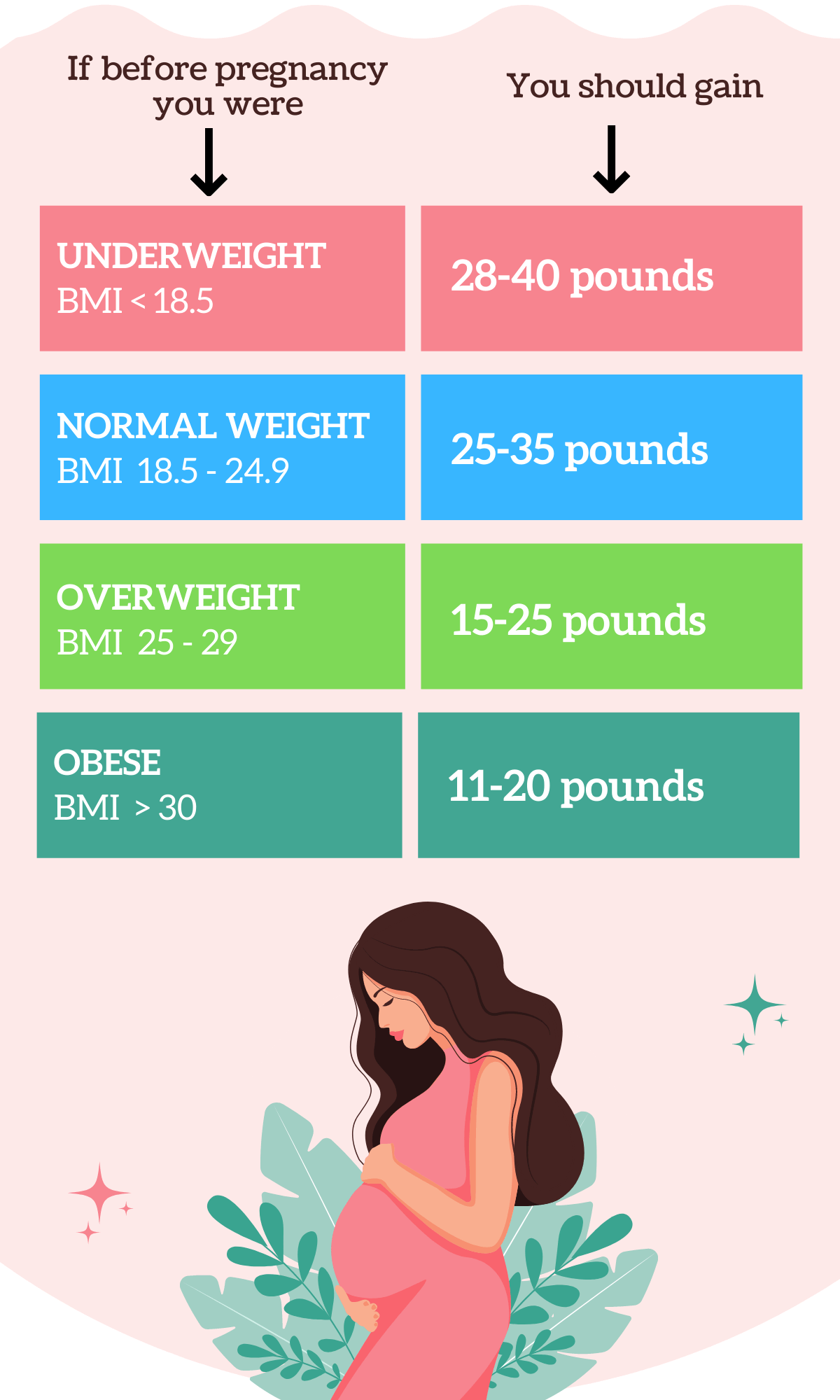
Healthy weight gain depends on a mother’s weight before pregnancy. Evidence supports using Body Mass Index (BMI) as a guide for how much weight gain is recommended during pregnancy.
Nutrition Tips For Healthy Pregnancy
A well balanced diet is usually enough to meet your nutritional needs during pregnancy. However, some foods contain higher concentrations of certain nutrients which are specifically recommended during pregnancy.
Folate, iron, iodine and vitamin D are nutrients needed to support a growing baby’s health and development and can prevent certain conditions. If you are planning a pregnancy, you should start taking a folic acid supplement at least one month before you fall pregnant and for 3 months after conception. Folic acid supplements have been proven to help protect against neural tube defects.
If you are considering taking or currently taking any supplements, please discuss this with your doctor or midwife, as doses can vary depending on your individual circumstance.
Health Tips For Pregnant Women
A healthy, balanced diet includes a wide variety of nutritious foods from the five food groups. It’s also advisable to drink plenty of water to stay hydrated.
Most of us have days when we eat well, and days where our intake of ‘treat’ foods may be higher. Pregnancy cravings can also make this harder to manage, especially when they’re for foods which are high in sugar, salt or fat.
If you are suffering from morning sickness or severe vomiting during pregnancy, it is important to eat what you can at the time. You should contact you doctor or midwife if you are concerned.
Pregnancy & Weight Gain: How To Know If You're Not Gaining Enough
It used to be thought that pregnancy food cravings were a sign of nutrient deficiencies in a pregnant mother’s diet; however, there is no evidence to support this link. Pregnancy can also cause changes in a mother’s tastes, and foods once found appealing can take on a completely different flavour. Food aversions can develop during pregnancy, due in part to hormonal influence.
There are some foods which need to be avoided during pregnancy, due to their risk of carrying specific bacteria or parasites. An infection with listeria, salmonella or toxoplasmosis when pregnant can cause serious complications to your baby and increase the risk of pregnancy loss.
Some types of fish contain high levels of mercury, including shark/flake, marlin or broadbill/swordfish, orange roughy and catfish. Being selective about what type of fish to eat is important during pregnancy.
Is Intermittent Fasting While Pregnant Safe?
It’s also important to check ‘use-by’ dates and to make sure that food has been stored correctly. If in doubt about the safety of a particular food, the safest option is to not eat it.
It’s important to be careful about food preparation and safety during pregnancy. Food poisoning is generally caused by contamination of food with certain bacteria or viruses. Sometimes it’s easier to suspect food has been contaminated because it smells ‘off’ or looks different to what it should. But it’s not always obvious that food may not be safe. When preparing food, you should always:
The safest drinks during pregnancy are water and milk. Current evidence supports the recommendations that you should avoid drinking alcohol if you are pregnant or planning a pregnancy. Even small amounts can harm a baby’s development and may have lifelong effects.
Post Pregnancy Weight Loss Diet Plan That Works
Water and milk are considered to be safe to drink when pregnant. Low sugar soft drinks, small amounts of juice and soda or mineral water are also fine to drink. Likewise, small amounts of caffeine in tea and coffee are thought to be safe. During pregnancy and when breastfeeding, consuming up to 200 mgs/day is considered safe for a mother and her baby.
Processed foods tend to be high in sugar, fat and salt. Although they can taste good and are often convenient, they don’t meet the daily requirements for nutrition. The Australian Dietary Guidelines recommend that during pregnancy, you should limit the amount of foods that contain saturated fat, added salt and sugars as well as alcohol.

During pregnancy, you will have extra energy requirements and needs more serves from the five food groups. It’s important to understand that the ‘serving size’ doesn’t change, but instead the variety of food and serves per day increases to meet the mother and baby’s needs.
How To Calculate Macros While Pregnant Iifym
Call Pregnancy, Birth and Baby to speak to a maternal child health nurse on 1800 882 436 or video call. Available 7am to midnight (AET), 7 days a week.
Pregnancy health & wellbeing | Raising Children Network Pregnant? Here’s all you need to stay healthy during pregnancy, including tips for healthy diet and lifestyle and a guide to pregnancy health care. Read more on raisingchildren.net.au website Having a healthy pregnancy Having a healthy pregnancy means following a healthy diet, getting regular exercise, knowing what to avoid and making sure your vaccinations are up to date. Find out more here. Read more on Pregnancy, Birth & Baby website Pregnancy and Healthy Eating It’s especially important to eat healthy food during pregnancy and while breast feeding. Read more on Healthy Eating Active Living NSW website Pregnancy healthy eating in pictures | Raising Children Network Healthy eating for pregnancy means lots of fruit, vegetables and foods with calcium, protein and iron. Avoid sugary, fatty foods, and drink plenty of water. Read more on raisingchildren.net.au website Pregnancy: illustrated guides | Raising Children Network Parenting in pictures provides step-by-step guides to pregnancy topics such as healthy eating, pelvic floor exercises and more. Read more on raisingchildren.net.au website Appetite changes and food aversions during pregnancy It’s common to experience food cravings or a food aversion during pregnancy. Find out how to ensure you continue to eat healthily if this affects you. Read more on Pregnancy, Birth & Baby website Healthy eating when you’re pregnant or breastfeeding | Eat For Health Eating well during pregnancy and while breastfeeding has health benefits for you and your baby. Read more on NHMRC – National Health and Medical Research Council website Losing weight safely after birth It is important to make healthy choices when trying to lose weight after pregnancy. Learn more about exercise and healthy eating after giving birth. Read more on Pregnancy, Birth & Baby website Healthy eating for your child A good diet is important for your child’s development and can reduce their risk of obesity and some diseases. Learn more about healthy eating. Read more on Pregnancy, Birth & Baby website Gi and Pregnancy | GI Foundation Home / Gi Health Benefits / Gi and Pregnancy Gi and Pregnancy Following a healthy low Gi diet during pregnancy helps protect your child’s future health and improves health and wellbeing for lifelong benefits Read more on Glycemic Index Foundation website
Healthdirect Australia acknowledges the Traditional Owners of Country throughout Australia and their continuing connection to land, sea and community. We pay our respects to the Traditional Owners and to Elders both past and present.
What To Eat During Pregnancy For Intelligent Baby
This information is for your general information and use only and is not intended to be used as medical advice and should not be used to diagnose, treat, cure or prevent any medical condition, nor should it be used for therapeutic purposes.

The information is not a substitute for independent professional advice and should not be used as an alternative to professional health care. If you have a particular medical problem, please consult a healthcare professional.
Except as permitted under the Copyright Act 1968, this publication or any part of it may not be reproduced, altered, adapted, stored and/or distributed in any form or by any means without the prior written permission of Healthdirect Australia.It is advisable not to indulge in activities or quick ways to lose weight while pregnant and also not gain excess weight if you are obese or overweight (1). The American College of Obstetrics and Gynecology suggests that women need to gain weight during pregnancy irrespective of their body mass index (BMI) (2). However, the amount of weight gain recommended depends on whether you have the ideal weight as per your body type or are overweight or obese.
Losing Weight While Pregnant Can Harm You And Your Baby
You may keep your weight gain under control by eating a healthy and balanced diet and indulging in pregnancy-safe physical activities for prenatal care, in case you are overweight. You should also avoid reading misleading articles or watching misleading videos about weight gain or loss during pregnancy. Instead, discuss your concerns with your doctor and act as advised for the health and wellbeing of you and your growing baby. Read this post as we tell you about how to lose weight while pregnant and some safe weight management methods.
According to the UK’s National Health Services (NHS), being overweight increases the risk of a miscarriage, gestational diabetes, preeclampsia (high blood pressure), blood clots, postpartum hemorrhage, and heavy babies in the mother.
In the babies, there could be risk of stillbirth or early birth (before 37 weeks). However, these risks are not unique to women who are overweight because they could happen in any pregnant woman (3).

Day Third Trimester Pregnancy Meal Plan Ideas: Recipes & Prep
The CDC’s National
Posting Komentar untuk "Lose Weight While Pregnant Plan"