Can Quitting Caffeine Help Lose Weight
We all know how much I LOVE my coffee! In face when I was considering bariatric surgery that was one of my first concerns. “Do I have to give up coffee?”
Luckily the answer was no, after the first six weeks I was able to go back to my daily habit as long as I was able to get the full amount of water in.

Every once in awhile I hear about people who want to lose weight talk about how they are now giving up soda, coffee, and alcohol. I’ve never been much of a soda drinker but the other two? Let’s just say that I was very glad to learn about bioindividuality in my Precision Nutrition class!
Effects Of Giving Up Coffee For A Month, Say Dietitians
Turns out that some people are able to digest caffeine/coffee better than others. I’m very glad that I got the gene that processes it very well.
Like most nutrition headlines that say “Why coffee will help you drop 20 pounds” one day and “Stop drinking coffee if you want to have chiseled abs!” the next, there is a lot more to the story.
There is actual science behind why different people react differently to it. It’s a matter of your genetics and how much coffee you’re used to drinking.
How Common Is A Caffeine Addiction, And How Do I Treat It?
NOTE: Coffee does not equal caffeine. Coffee contains between 50-400 mg of caffeine/cup, averaging around 100 mg/cup. Coffee is one of the most popular ways to consume this stimulant. But… a cup of coffee contains a lot of things over and above the caffeine. Not just water, but antioxidants, and hundreds of other compounds. These are the reasons drinking a cup of coffee is not the same as taking a caffeine pill. And decaffeinated coffee has a lot less caffeine; but, it still contains some.
Let’s look at caffeine metabolism, its effects on the mind and body, and whether coffee drinkers have higher or lower risks of disease. Then I’ll give you some things to consider when deciding if coffee is for you or not.
Not all people metabolize caffeine at the same speed. How fast you metabolize caffeine will impact how you’re affected by the caffeine. In fact, caffeine metabolism can be up to 40x faster in some people than others.
Losing Weight: Could Ditching Your Daily Coffee Give You A Trimmer Tummy? That's What Frances Childs Found
About half of us are “slow” metabolizers of caffeine. We can get jitters, heart palpitations, and feel “wired” for up to 9 hours after having a coffee. The other half is “fast” metabolizers of caffeine. They get energy and increased alertness and are back to normal a few hours later.
The effects of coffee (and caffeine) on the mind and body also differ between people; this is partly from the metabolism I mentioned. But it also has to do with your body’s amazing ability to adapt (read: become more tolerant) to long-term caffeine use. Many people who start drinking coffee feel the effects a lot more than people who have coffee every day.
So, while some of these effects are good and some aren’t, you need to see how they affect you and decide if it’s worth it or not.

Will Giving Up Coffee Help With Weight Loss?
There are a ton of studies on the health effects of coffee, and whether coffee drinkers are more or less likely to get certain conditions.
NOTE: What’s super-important to note here is that coffee intake is just one of many, many factors that can affect your risks for these diseases. Please never think regular coffee intake is the one thing that can help you overcome these risks. You are health-conscious and know that eating a nutrient-rich whole foods diet, reducing stress, and getting enough sleep and exercise are all critical things to consider for your disease risk. It’s not just about the coffee.
There are a few things to consider when deciding whether you should drink coffee. No one food or drink will make or break your long-term health.
The Invisible Addiction: Is It Time To Give Up Caffeine?
Depending on how your body reacts, decide whether these reactions are worth it to you. If you’re not sure, I recommend eliminating it for a while and see the difference.Valued for its ability to stimulate alertness, caffeine is the most popular (and most unregulated) psychoactive substance in the world, with consumption estimated at one caffeinated beverage serving per person per day. Given its stimulant qualities, it’s not surprising that people commonly believe caffeine promotes weight-loss. But, are these assumptions true?
Historical records for caffeine use have been found across many cultures and date back thousands of years. Caffeine is most commonly found in the beans of the coffee plant, leaves of the tea bush and in various products derived from the kola nut. In North America, approximately 90 percent of adults consume caffeine daily.

Let’s start with what we do know about caffeine. Caffeine acts as a potent natural pesticide in the plants in which it is found, serving to promote species survival. It has been included on the FDA list of “Generally Recognized As Safe” (GRAS) substances since 1958 and is approved as an over-the-counter alertness aid.
Weight Loss: Should You Drink Coffee While Following Intermittent Fasting?
Numerous studies in the last 20 years helped disprove the connection between caffeine and breast cancer, caffeine and osteoporosis, caffeine and digestive tract cancers, caffeine and coronary disease and stroke, and caffeine and negative pregnancy effects and outcomes. In its 1988 report on nutrition and health, the office of the Surgeon General reiterated its position that caffeine consumed in moderate daily amounts (equal to the amount of caffeine in one to two cups of coffee) creates no significant health risks for healthy adults.
Caffeine, however, does increase heart rate and insomnia and can have significant negative health effects, including death, if taken in too high of a dose. Also, because it is habit-forming, caffeine leads to unpleasant withdrawal symptoms such as headache, grogginess and irritability.
Caffeine’s reputation as a weight-loss aid comes from its status as a stimulant and a substance that enhances physical performance. A 1979 study showed a 7 percent increase in distance cycled over two hours among subjects who consumed caffeine versus those who did not. In another study among trained runners, those who consumed caffeine showed a 44 percent increase in race-pace endurance compared to those who did not.
Understanding The Relationship Between Caffeine And Headaches
Some research has suggested that caffeine may stimulate thermogenesis – a scientific name for the way your body generates heat and energy from the calories in your food; but nutrition experts say that this effect probably isn’t enough to produce significant weight-loss. Caffeine may also reduce your desire to eat for a brief time, but again, there’s no good evidence over the long-term that this effect leads to weight-loss. To date, no conclusive clinical studies have been done to determine the long-term effect of caffeine on weight loss, and the smaller studies that have been done show a lot of variability in the outcomes.
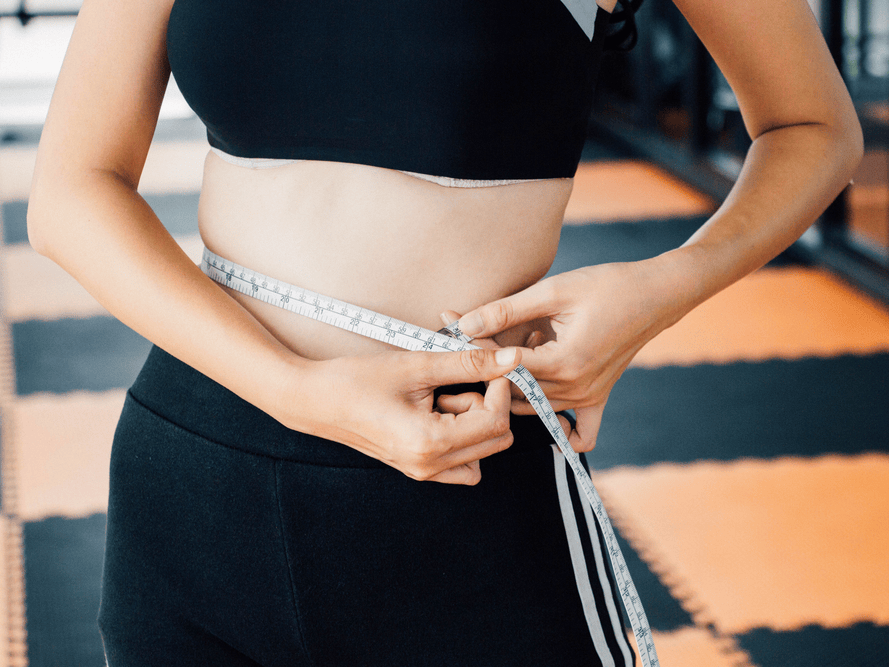
At present, even though caffeine may have a small effect on energy and appetite that could lead to some positive short-term effects on your energy balance, there’s no evidence that it can actually cause you to lose weight. On the other side of the equation, excessive caffeine consumption clearly can be harmful.
One must also consider the known risks represented by other performance-enhancing products, which may be combined with caffeine in dietary supplements promoted for weight-loss. Ephedra, for example, is an ergogenic whose side effects include heart attack, stroke and death. It was banned by the FDA in 2004. In November 2011, the FDA, after a year-long review, told the manufacturers of seven caffeinated alcohol drinks that their products pose a public health concern and cannot stay on the market in current form. Other dietary supplement weight-loss aids such as bitter orange, capsicum and ginger make claims about energy and/or weight-loss, but have not been reviewed or approved by the FDA.
Can Coffee And Lemon Help With Weight Loss? Experts Explain
When you start to look deeper, you will find other research that has shown that consuming caffeine throughout the day may actually result in weight gain, because caffeine affects cravings for food. Drinking caffeinated beverages, for example, may prompt you to eat more snacks and larger meals.
Caffeine raises the stress hormone cortisol, which tells your body to increase its energy stores and also raises heart rate and blood pressure. Resulting stress can also interfere with your sense of well-being and can trigger emotional eating or a desire for comfort food. In addition, drinking caffeine can prompt hypoglycemia – low blood sugar caused by a drop in levels of blood glucose – which also increases your appetite and causes your body to crave higher calorie foods. The more caffeine you consume, the more your body urges you to eat the foods that yield glucose, such as starches, sweets, fruit and milk.
Caffeine also contributes to insulin resistance, when glucose and insulin build up in the blood. Since insulin is a metabolism hormone affecting every cell in the body, it plays a role in controlling weight as it regulates blood sugar, controls the storage of fat and affects appetite control. Too much insulin can result in food being stored as fat and in protein changing into sugar and fat.

Anxiety And Caffeine
Another condition related to insulin resistance is insomnia and sleep deprivation, both of which can be caused by consuming caffeine. Not getting enough sleep
Posting Komentar untuk "Can Quitting Caffeine Help Lose Weight"